








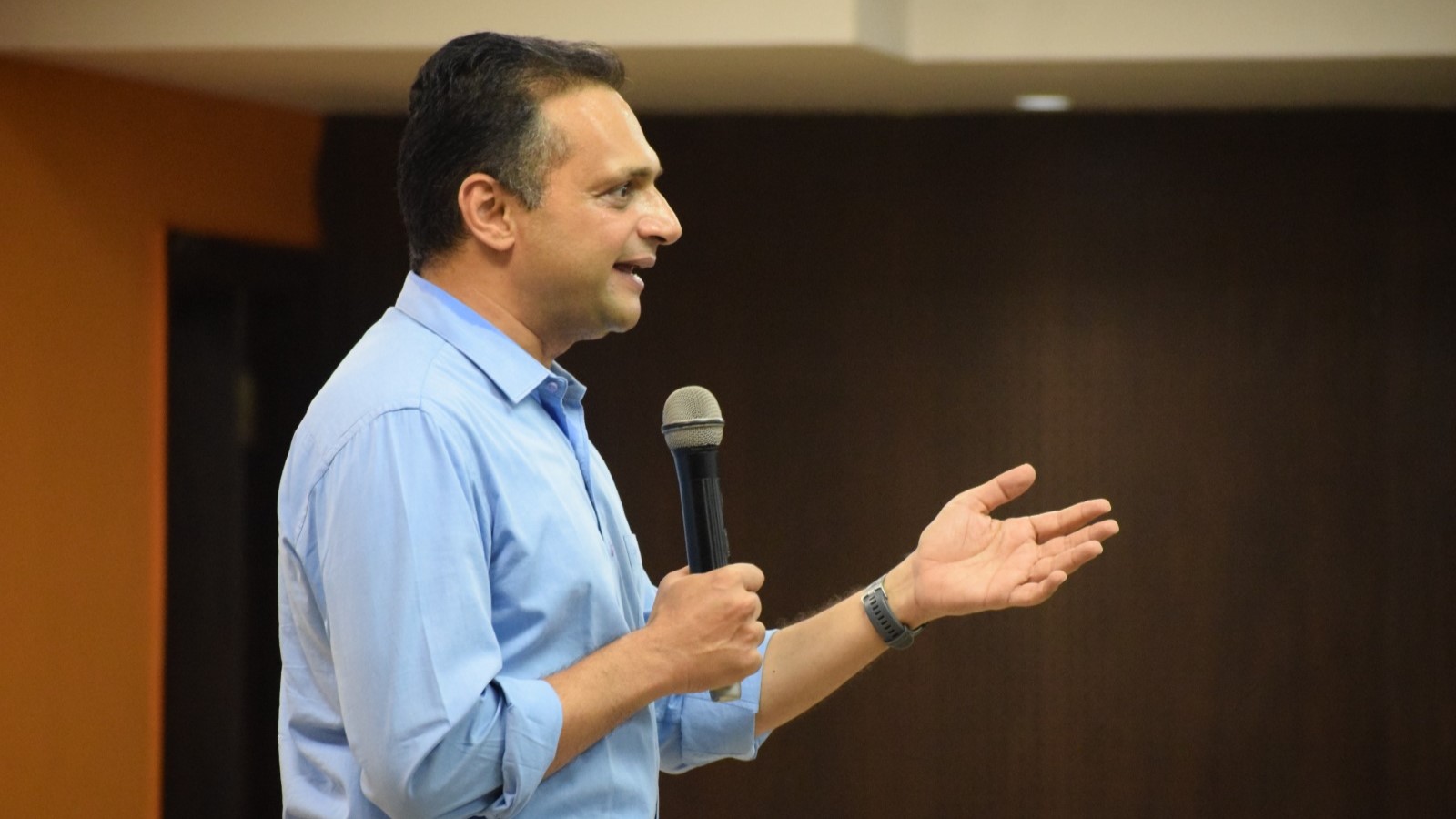
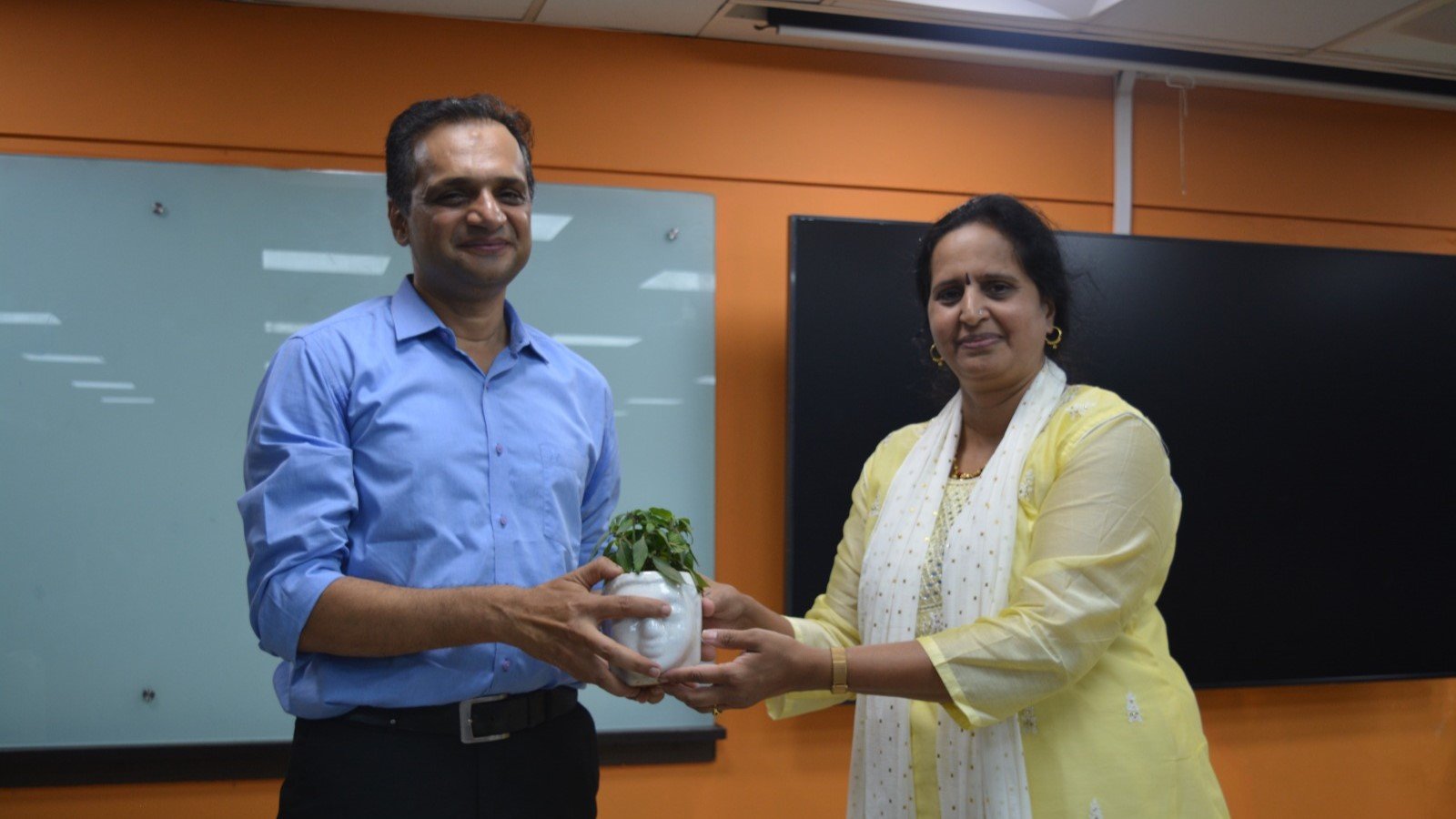
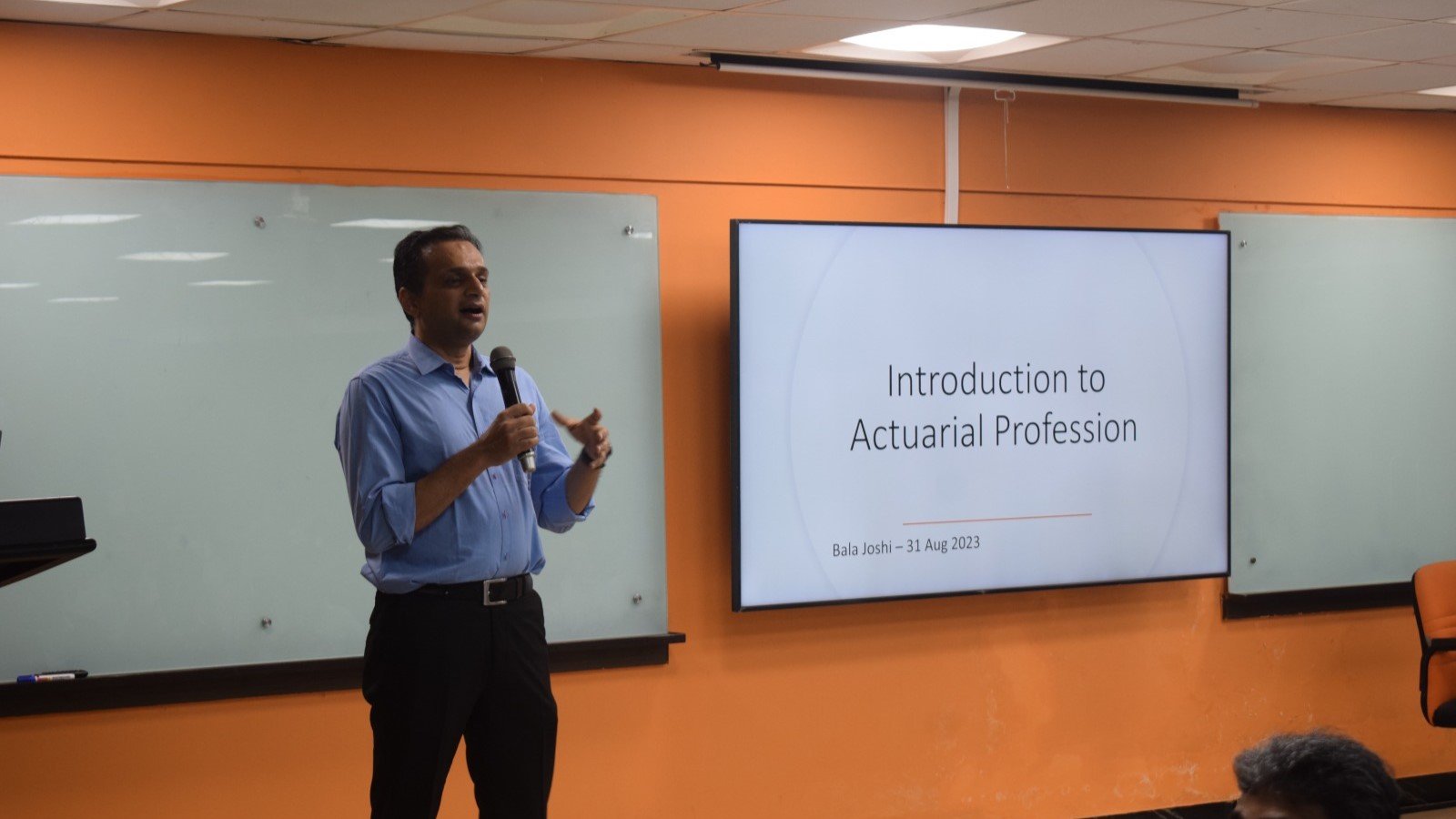
Actuarial science, often an unknown field to the general public, holds a pivotal role in assessing and managing risks across various domains. This journey in actuarial science has witnessed significant developments and impacts on industries and society. Mr Bala Joshi a seasoned Life Actuary expert introduced the concepts of valuation, risk management, and various other aspects of this dynamic field. The insurance industry has seen a shift towards decentralisation, reflecting the need for flexibility and adaptation to evolving risk landscapes. One of the ambitious objectives in the actuarial world is to train 2 lakh actuaries by 2047 with the aim of extending insurance coverage to as many people as possible. Actuaries are recognized as key management personnel for their expertise in risk assessment and management. Actuarial science is a heavily regulated profession, with actuaries tasked with calculating the financial impact and consequences of various risks. Their work extends beyond mere number- crunching; it influences decisions with profound financial implications. Decades ago, actuaries began utilising generalised linear models to anticipate the probability of risks and assess the resilience of nations or organisations when these risks materialise. Actuaries were pioneers in standardising the measurement of the financial impact of risk. The principles of actuarial science are not confined to insurance alone; they can be applied across various industries. Actuaries play a crucial role in determining insurance premiums and charges, ensuring that the right amount is assessed for coverage. The world is experiencing an ageing population, and economic dynamics are shifting. After each instance of demonetization, wealth has doubled, underlining the importance of establishing robust risk management practices. Actuarial science finds application in diverse sectors, including air travel, derivatives, environmental risk assessment, space mining and exploration, and collaborating with governments to manage macro risks. It also addresses behavioural risk and provides a holistic view of risk management through Enterprise Risk Management (ERM). Actuaries are well-equipped to assume the role of Chief Risk Officers (CROs) within organisations. They contribute to achieving financial goals, optimising profit and loss (P/L) statements, reducing costs, and fine-tuning operations to gain a competitive edge. Insurance serves as a vital means to inject capital into businesses and projects. In situations where certain risks cannot be controlled, insurance acts as a safety net, mitigating financial losses. Actuarial science plays a pivotal role in shaping insurance products, including life and health insurance, and investment-related policies, and increasingly relies on data analytics for informed decision-making. Data is a vast resource yet to be fully utilised, with more than 70% remaining untapped. Actuaries can harness this wealth of data to enhance risk assessment and management. Insurance represents one of the most intricate financial activities, with calculating year-on-year profits proving challenging due to the multifaceted nature of the risks involved. The field of actuarial science continues to evolve, with innovative areas such as insurance tech and the revolution in quick insurance issuance gaining prominence. In cases where risks cannot be managed effectively, capital allocation becomes crucial to ensure financial stability. Actuarial science has spurred the development of tools like stochastic simulations, which are also used in quantitative funds and hedge funds within financial markets. The insurance gap, particularly in areas like professional liability, can drive up prices, as seen in the medical industry in the United States. Actuarial science, though often unnoticed, is a dynamic field with a far-reaching impact across industries. Its principles of risk assessment and management are indispensable in an ever-evolving world, contributing to financial stability and informed decision-making. CXO Talk introducing actuarial profession by Mr Bala Joshi was organised by the department of MBA on Aug 31, 2023 at RR campus.
1
people liked this
Click the heart to show your appreciation